The Bank of Canada is avoiding “false precision” on forecasts.
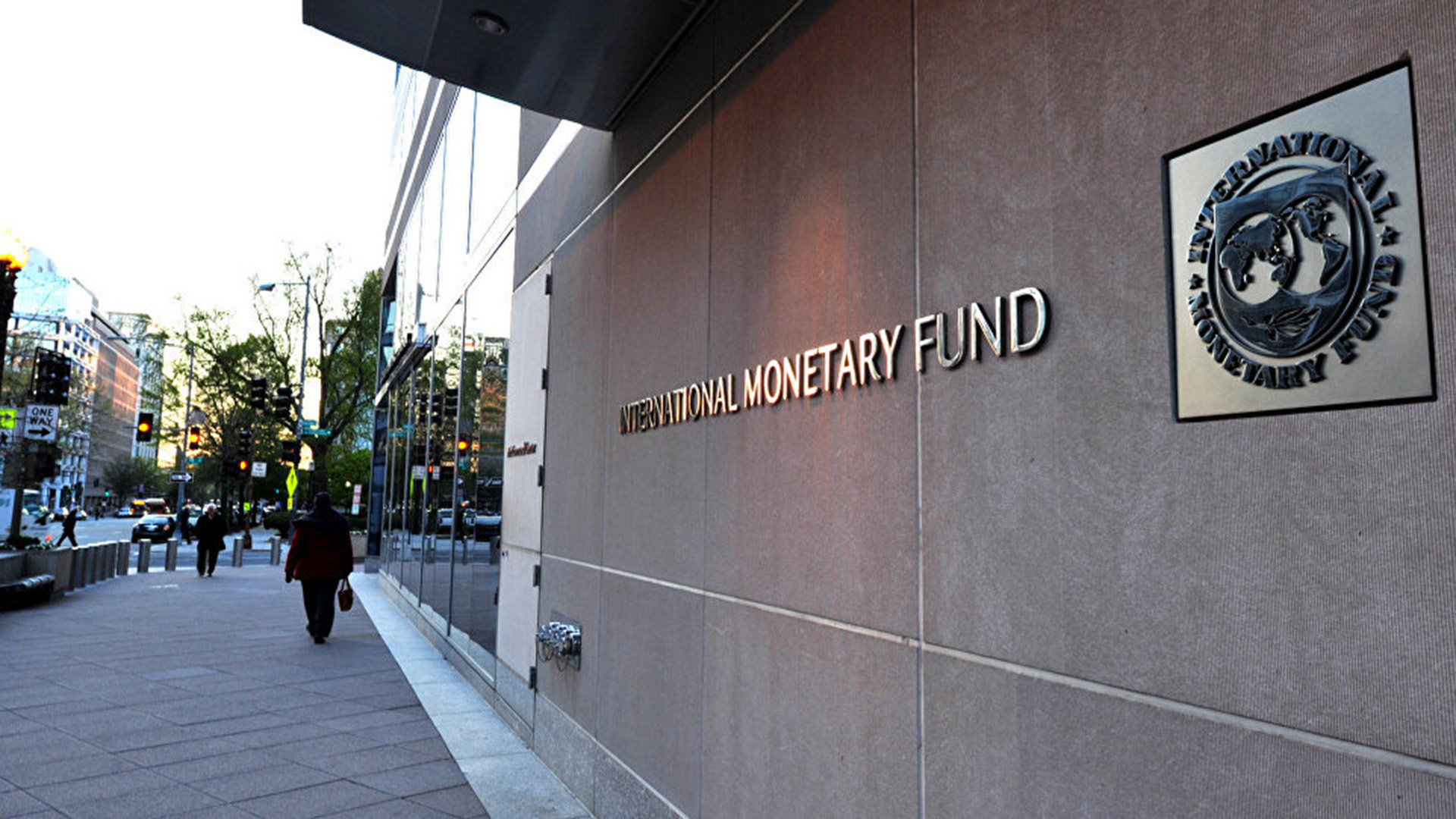
The IMF admits that accurately forecasting the fallout to the coronavirus crisis is a fool’s errand, but its outlook is still dire: according to the Fund’s latest report, published Monday, the “Great Lockdown” will see global GDP contract by 3% this year, the deepest such contraction since the Great Depression.
The Bank of Canada meanwhile hasn’t even offered an official forecast, replacing its customary baseline projection with an analysis of plausible outcomes depending on how the pandemic progresses. This is probably wise, but certainly no more reassuring.
The reality is that the central bank’s focus is on the present, which is all policymakers should be thinking about right now. To this end, the bank has unveiled a new set of emergency measures, including plans to create tens of billions of dollars to buy provincial bonds and corporate debt. It left the benchmark lending rate at 0.25%, emphasizing its reluctance to adopt negative interest rates.
“The Canadian economy is experiencing a significant and rapid contraction,” Governor Stephen Poloz said in a statement ahead of a conference call with reporters. “The shock is a global one, affecting all countries, but commodity-producing countries like Canada are being hit twice. In the very near term, policy-makers can do little more than cushion the blow.”
Wisely, Poloz said he wanted to avoid what he called “false precision.” “The bank doesn’t see itself as being in some sort of forecasting contest,” he told reporters. “It’s a tool of decision-making, as opposed to putting up numbers that may have very little analytical content.”
Yet the central bank admits that GDP in the second quarter of 2020 could contract by between 15% and 30% compared to the same period last year. The upside, according to the bank, is that inflation could fall to zero, as jumps in prices for goods such as food are balanced out by cheap gasoline and the disinflationary pressures that will come with much weaker demand.
Challenges ahead
The Bank of Canada said it will start buying up to $50-billion worth of provincial debt in the coming weeks, along with $10 billon of investment-grade corporate bonds in the secondary market.
Provinces, particularly those that depend heavily on oil revenue, are especially at risk at a time when they will need to borrow more to support their overburdened health-care systems.
There is good news, and bad, on this front. The hundreds of billions of dollars being pumped into the economy could allow for a relatively fast recovery. Unfortunately, there is an equally likely scenario in which the recession disrupts the dynamic of the Canadian economy, resulting in sluggish growth for the foreseeable future.
“These effects could cause structural damage to the economy that might not be undone for several years, if ever,” the central bank said.
It’s surely not the way Poloz, who is set to retire as governor this year following a seven-year term, imagined going out. “Today’s (Monetary Policy Report) will be my last,” he told reporters. “I wish circumstances were more favourable.”