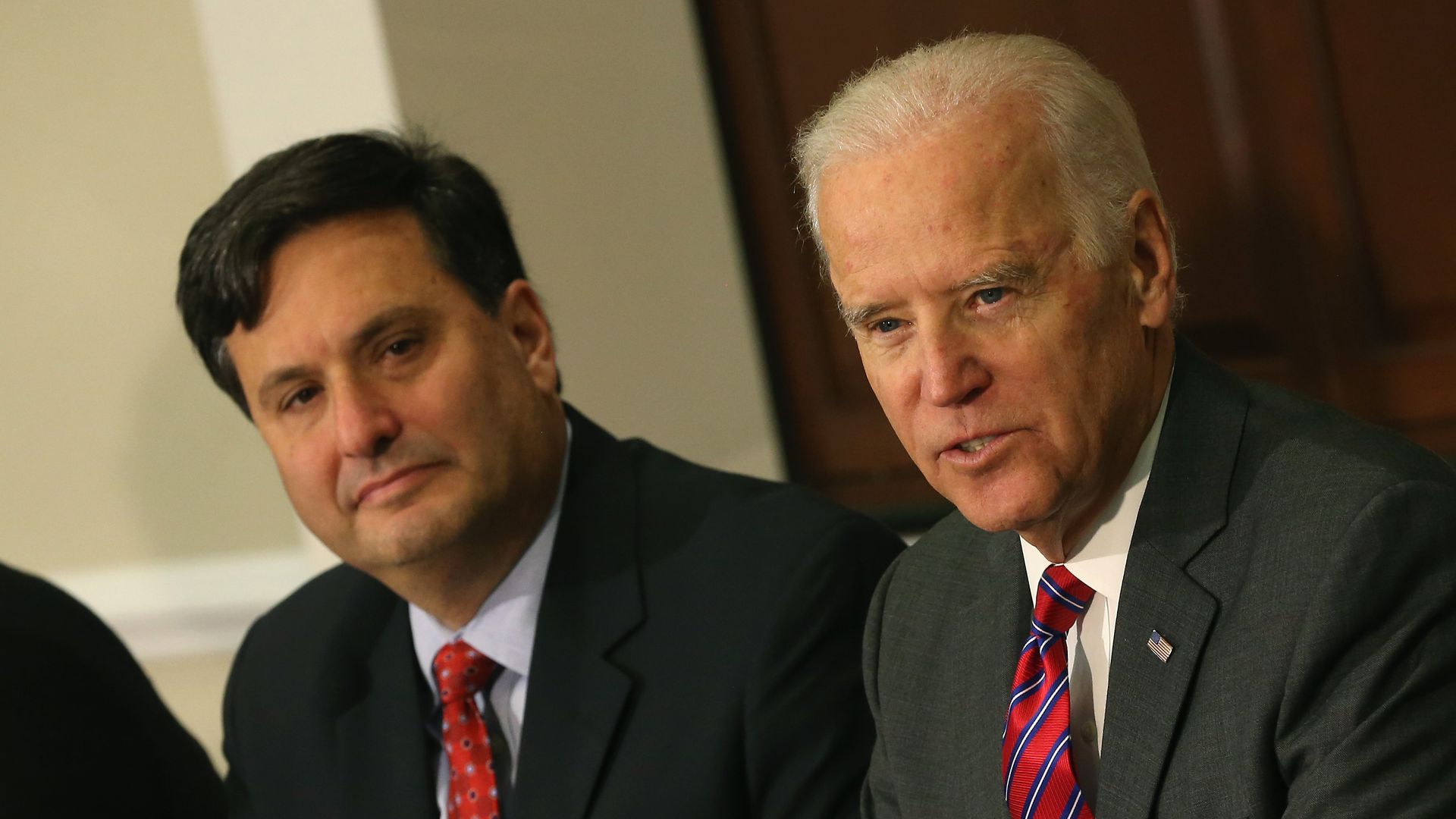
Joe Biden’s chief of staff, Ron Klain, outlined Biden’s plans for his first few days in office.
On Saturday, White House Chief of Staff Ron Klain outlined the plan following Joe Biden’s inauguration on Wednesday. His announcement comes after Biden revealed plans to roll out a $1.9 trillion stimulus package, “signaling a willingness to be aggressive on policy issues and confronting.
As stated by Rebecca Falconer and Mike Allen on Axios, Biden’s actions on day one of his presidency will include rejoining the Paris climate agreement, extending a pause on federal student loan payments, reversing Trump’s ban on travel to the U.S. from several Muslim-majority countries and issuing a coronavirus mask mandate.
- On Thursday, Biden will sign several executive actions aimed at changing the course of the COVID-19 crisis and safely re-open schools and businesses.
- On Friday, the president-elect will “direct his Cabinet agencies to take immediate action to deliver economic relief to working families bearing the brunt” of the coronavirus crisis, Klain wrote.
- Between Jan. 25 and Feb. 1, Biden will address the climate crisis, criminal justice reform, take steps to expand access to health care, and move to reform immigration — including reuniting families separated at the border under Trump’s immigration policy.
- Biden “will launch a massive public education campaign to increase vaccine acceptance,” as part of “ensuring that 100 million shots have been administered by the end of our first 100 days.” Biden said he’ll set up vaccination sites, and “send mobile units to hard-to-reach communities.”
- “I’ll be asking the American people to wear a mask for the first 100 days … Our administration will require masks where we can for federal workers, in federal facilities, and on interstate travel like planes and trains. And we’ve been working directly with county officials, mayors, and governors to implement mask mandates in their towns, cities, and states.”
- “Another 100-day challenge is opening most of our K-8 schools by the end of our first 100 days” — the end of April.
Why it matters: As Biden prepares to take office, the U.S. is facing one of the most politically divisive periods in modern history, with Washington, D.C., and state capitols on alert for possible pre-inauguration violence following insurrection at the U.S. Capitol and as the pandemic continues to rage.